








The art of Ukiyo-e “pictures of the floating world” is one of Japan’s most celebrated artistic traditions. Flourishing during the Edo period (1603–1868), Ukiyo-e captured the fleeting pleasures, landscapes, and culture of urban Japan.
From kabuki actors to courtesans, and from landscapes to folklore, Ukiyo-e artists immortalised life in vibrant woodblock prints and paintings that continue to inspire the world today.
What is Ukiyo-e?
Ukiyo-e is a genre of art that depicts the fleeting, transient nature of life’s pleasures. The subjects of Ukiyo-e often included:
Beautiful women (bijin-ga)
Kabuki actors (yakusha-e)
Landscapes (fūkei-ga)
Mythology and folklore
These prints were mass-produced using woodblock printing techniques, making art accessible to common people, not just the elite.
Check out my blog on What does the Starry Night symbolise

Top five Ukiyo-e Artworks
1. The Fifty‑three Stations of the Tōkaidō (1833–1834)
2. One Hundred Famous Views of Edo (1856–1858)
3. Sudden Shower over Shin-Ōhashi Bridge and Atake (1857)
4. Plum Garden at Kameido (1857)
5. Famous Views of Edo: Evening Glow at Ryōgoku Bridge (1857)
The Floating World: Life in Transience
The term “floating world” itself is symbolic. It evokes the ephemeral nature of human existence, mirroring Buddhist ideas of impermanence (mujo). Artists depicted entertainment districts, theatres, teahouses, and pleasure quarters—places where life’s joys were vivid yet temporary. Through these scenes, Ukiyo-e reminds viewers that beauty and pleasure are fleeting, a subtle meditation on living fully in the moment.
Ukiyo‑e prints
Ukiyo‑e prints were part of a cultural ecosystem shaped by a rising merchant class who sought pleasure, entertainment and aesthetic delight outside the rigid social order of the shogunate. This “floating world” wasn’t just a place of temporary joys, it symbolised a distinct philosophy of life, where beauty, desire and the “here and now” were to be savoured even as they slipped away.
The images themselves often celebrated figures of the floating world
Elegant courtesans, kabuki actors in dramatic poses, festival scenes, landscapes and nature, but they also encoded symbolic meaning. For example, some prints use allusion (mitate) to blend historical or mythological characters with contemporary figures, transforming familiar subjects into playful, layered visual metaphors. A woodblock by Suzuki Harunobu, for instance, reimagines an immortal from Chinese myth as a refined Edo period woman immersed in a love poem, illustrating how Ukiyo‑e could both celebrate fashionable life and nod to deeper symbolic traditions.
Every print carries layers of meaning: the beauty of a woman might reflect fleeting youth; a kabuki pose might hint at social roles and performance; cherry blossoms might signal the fragile joy of spring; and even the choice of colours and composition can suggest emotion, season or mood. This blend of ephemeral pleasure and symbolic depth is what makes Ukiyo‑e a powerful visual philosophy as well as a celebrated art form.


Famous Ukiyo-e Artists
Several Ukiyo-e artists have become iconic, each bringing their own style and innovation:
Hokusai is perhaps the most famous Ukiyo-e artist worldwide. Known for his “Thirty-Six Views of Mount Fuji”, which includes the legendary Great Wave off Kanagawa, Hokusai combined dynamic composition with striking colours. His works celebrated nature’s power and beauty, influencing artists globally, including Impressionists in Europe.
Utagawa Hiroshige stands as one of the last great masters of ukiyo‑e, famous for transforming the genre from primarily portraits of actors and courtesans into poetic landscapes and scenes of everyday life. Born in Edo (modern Tokyo) in 1797, he trained in the Utagawa school before developing his own voice through series such as The Fifty‑three Stations of the Tōkaidō and One Hundred Famous Views of Edo, works that celebrated Japan’s natural beauty, travel routes and seasonal moods with unprecedented subtlety and atmosphere.
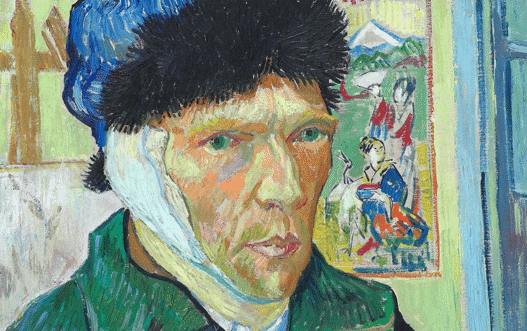
His ability to capture fleeting moments of rain, mist, moonlight and snow made the world feel alive, echoing the core Ukiyo‑e idea of the floating world as a place of impermanence and lived experience. Hiroshige’s landscapes drew the viewer into everyday life and nature’s transience in ways that resonated far beyond his time, influencing European Impressionist and Post‑Impressionist artists such as Monet and Van Gogh and contributing to a global appreciation of Japanese woodblock aesthetics.
Hideo Takeda’s Genpei War series provides an in-depth look at the Japanese artist born in 1948, highlighting his unique blend of surrealism, satire, eroticism, and historical narrative.
Takeda’s silkscreen series Battle of the Genji and the Heike – Genpei War, which depicts the 12th-century conflict between the Minamoto and Taira clans, blending historical events with provocative, often bizarre imagery.
Takeda’s artistic background, including his early career as a cartoonist, his solo exhibitions at the British Museum, and his meticulous approach to printmaking, emphasising both craftsmanship and imaginative expression.

The Symbolism of Hokusai’s The Great Wave Off Kanagawa
Among all Ukiyo-e works, Katsushika Hokusai’s The Great Wave Off Kanagawa stands as a powerful meditation on humanity’s fragile place within nature. At first glance, the towering wave appears purely destructive, but its claw-like crest, poised, frozen, and almost sentient, suggests something more symbolic than mere violence. The wave dwarfs the fishermen below, reminding viewers that nature in Japanese art is not a backdrop, but an active, overwhelming force.
This tension between chaos and endurance becomes even clearer when looking closely at the symbolism in Hokusai’s The Great Wave Off Kanagawa, a work rich in cultural, historical, and philosophical symbolism.
Waves in Japanese Art
Rather than depicting the sea as something to be conquered, Japanese artists present it as a force to be understood and endured, an outlook shaped by centuries of living in close relationship with nature.
Throughout Edo-period art, waves appear exaggerated, rhythmic, and almost alive, reinforcing their symbolic role rather than their realism. This stylisation reflects a cultural acceptance of impermanence, a theme central to Japanese wave symbolism, where the sea mirrors human experience: moments of calm interrupted by sudden upheaval, followed by renewal. In this context, fear is not the absence of control, but an acknowledgment of it.