









Kintsugi, a traditional Japanese art form, embodies a profound philosophy that celebrates the beauty of imperfection and the narrative of repair. This practice involves mending broken pottery with lacquer mixed with powdered gold, silver, or platinum, transforming the damaged object into a unique piece of art. Rather than disguising the flaws, Kintsugi highlights them, suggesting that the history of an object, including its breaks and repairs, is an integral part of its identity.
This philosophy extends beyond mere aesthetics; it invites individuals to reconsider their perceptions of beauty and value, encouraging a deeper appreciation for the stories that imperfections tell. The essence of Kintsugi lies in its ability to shift perspectives. In a world that often prioritises perfection and uniformity, Kintsugi offers a refreshing counter-narrative.
Books & Articles:
The Art of Embracing Damage
It teaches that brokenness can lead to new forms of beauty and that the scars we carry, whether physical or emotional, are not marks of failure but rather symbols of resilience and growth.
This philosophy resonates deeply in contemporary society, where the pressure to conform to idealised standards can lead to feelings of inadequacy. By embracing the principles of Kintsugi, individuals can learn to accept their flaws and celebrate their unique journeys.

The History and Origins of Kintsugi
Kintsugi has its roots in Japan during the late 15th century, emerging as a response to the cultural values of the time. The practice is believed to have originated when a shogun sent a damaged tea bowl back to China for repair. Upon receiving it back, he was disappointed by the crude methods used to fix it.
This incident inspired Japanese artisans to develop a more aesthetically pleasing approach to repair, leading to the birth of Kintsugi. Over time, this art form became intertwined with the Japanese tea ceremony, where the beauty of imperfection was celebrated as part of the overall experience. As Kintsugi evolved, it became more than just a method for repairing pottery; it transformed into a philosophical statement about life itself.
The practice reflects the Japanese concept of mono no aware, which explores the impermanence of things. This idea encourages individuals to appreciate the transient nature of beauty and existence. Kintsugi thus serves as a reminder that everything is subject to change and decay, yet through acceptance and creativity, we can find beauty in those changes.
What remains unsaid
Interpretations that continue beyond what’s written
Thank you!
You have successfully joined our subscriber list.
The allure of Kintsugi lies in its ability to reveal the inherent beauty in brokenness. Each repaired piece becomes a testament to resilience, showcasing how something once deemed worthless can be transformed into a work of art. This perspective challenges conventional notions of beauty that often favour perfection and symmetry.
Instead, Kintsugi invites us to see value in the cracks and imperfections that tell a story of survival and renewal. In broader terms, this appreciation for broken things extends beyond pottery into various aspects of life. It encourages individuals to recognise that their own flaws and experiences contribute to their uniqueness.
Just as a Kintsugi bowl may be more beautiful for its repairs, so too can people find strength in their vulnerabilities. This philosophy fosters a sense of connection among individuals, as shared imperfections can lead to deeper understanding and empathy.

Gold holds significant symbolism within the practice of Kintsugi, representing not only beauty but also value and transformation. The use of gold in repairs serves as a reminder that what is broken can be made whole again in a way that enhances its worth. This precious metal signifies resilience; it transforms scars into something precious rather than hiding them away.
In this context, gold becomes a metaphor for personal growth, suggesting that our struggles can lead to greater wisdom and strength. Furthermore, the application of gold in Kintsugi reflects a broader cultural appreciation for craftsmanship and artistry in Japan. It signifies an understanding that true beauty often lies in the details, the careful application of lacquer and gold requires skill and intention.
This meticulous process mirrors the journey individuals undertake when confronting their own imperfections, highlighting that embracing one’s flaws can lead to profound personal transformation.
Art of Wabi-Sabi
Wabi-sabi is an aesthetic philosophy closely related to Kintsugi, rooted in the acceptance of transience and imperfection. It celebrates simplicity, naturalness, and the beauty found in age and wear. Wabi-sabi encourages individuals to appreciate the fleeting moments in life and find joy in the imperfect aspects of existence.
This philosophy aligns seamlessly with Kintsugi’s emphasis on valuing brokenness as part of an object’s history. In practice, wabi-sabi invites people to slow down and observe their surroundings with a sense of mindfulness. It encourages an appreciation for handmade objects that may bear signs of wear or irregularities—each mark telling a story about its journey through time.
By embracing wabi-sabi alongside Kintsugi, individuals can cultivate a deeper connection with their environment and themselves, fostering an appreciation for life’s inherent imperfections.
Visit Japan House London to read and watch kintsugi
The Healing Power of Kintsugi
The healing power of Kintsugi extends beyond physical objects; it offers profound insights into personal growth and self-acceptance. In recognising that our flaws and past traumas contribute to our identity, we can begin to embrace our imperfections rather than hide them away. This philosophy encourages individuals to view their struggles as opportunities for growth, much like how broken pottery can be transformed into something beautiful through repair.
By applying the principles of Kintsugi to our lives, we can learn to appreciate our unique journeys. Each scar we carry tells a story; each challenge faced adds depth to our character. Embracing this perspective fosters resilience and self-compassion, allowing us to navigate life’s difficulties with grace.
Just as artisans use gold to highlight imperfections in pottery, we too can find ways to celebrate our own narratives, transforming pain into strength.
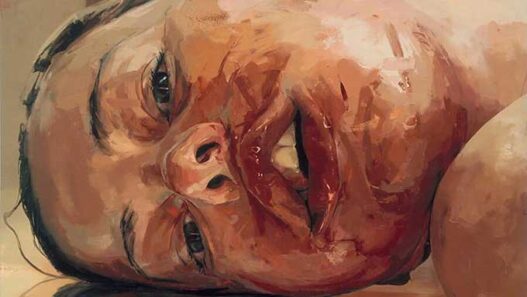
Jenny Saville: The Symbolism of Her Anatomy
Kintsugi Pottery Artwork
Kintsugi pottery artwork transforms damage into design, elevating fractures into luminous pathways traced with gold. Rooted in the Japanese philosophy of wabi-sabi, the appreciation of impermanence and imperfection.
Kintsugi treats breakage not as a failure, but as a vital chapter in an object’s life.
Historically, the practice is often associated with the tea culture shaped by the great tea master Sen no Rikyū (1522–1591), whose aesthetics valued humility, simplicity, and honest wear. In this context, repaired tea bowls became symbols of resilience and quiet dignity rather than flaws to be hidden.
In contemporary art, kintsugi has inspired internationally recognised figures.
Korean artist Yeesookyung reinterprets the technique in her celebrated Translated Vase series, assembling shards of discarded ceramics into monumental sculptural forms bound with gold. Japanese ceramic artist Tomomi Kamoshita is known for meticulous, traditionally grounded kintsugi restorations that highlight the emotional history of everyday vessels. Beyond ceramics, designers and philosophers worldwide reference kintsugi as a metaphor for healing, memory, and transformation, making it one of Japan’s most resonant cultural exports.
If you’re looking for well-curated options, ClassBento offers a great selection of kintsugi classes in London, connecting aspiring makers with experienced teachers in welcoming studio settings. These workshops are ideal for anyone curious about the craft, seeking a mindful creative outlet, or simply wanting to try something beautifully different.
Kintsugi’s Symbolism to Life
The symbolism inherent in Kintsugi offers valuable lessons for creativity and personal expression. Artists and creators can draw inspiration from this philosophy by embracing their own imperfections as sources of innovation rather than obstacles. The act of creating is often fraught with challenges; however, by viewing these challenges through the lens of Kintsugi, individuals can transform setbacks into opportunities for growth.
In practical terms, applying Kintsugi’s symbolism involves recognising that mistakes or failures are not endpoints but rather integral parts of the creative process. Just as repaired pottery gains character through its flaws, so too can creative works evolve through experimentation and revision. This mindset encourages artists to take risks and explore new avenues without fear of imperfection, ultimately leading to more authentic and meaningful expressions of their vision.
By embracing Kintsugi’s philosophy in both life and creativity, individuals can cultivate resilience, foster innovation, and celebrate the beauty found within imperfection.
Summary
- Kintsugi is a Japanese philosophy that embraces imperfection and celebrates the beauty of broken things.
- The art of Kintsugi originated in the 15th century as a way to repair broken pottery with gold, highlighting the cracks instead of hiding them.
- The symbolism of gold in Kintsugi represents the idea that our imperfections and scars are what make us unique and beautiful.
- Wabi-Sabi is a related concept that focuses on finding beauty in impermanence and imperfection, and is often associated with Kintsugi.
- Embracing the philosophy of Kintsugi can help us heal and grow by accepting our own imperfections and applying its symbolism to our lives and creativity.