



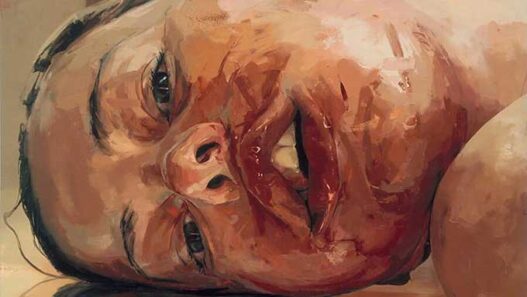





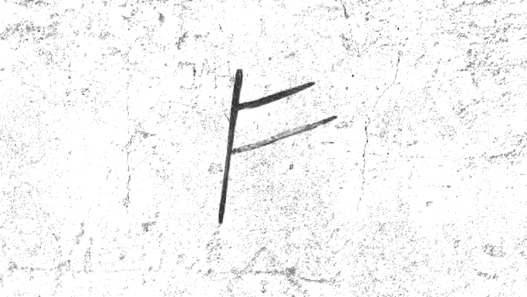

A cracked tea cup, the soft patina of old wood, a faded brushstroke, these are not flaws; they are stories. Experiences that have fallen from generations.
Every mark suggests presence. Every irregular shape whispers about the hands that created it. Instead of seeking symmetry, Wabi-Sabi celebrates the natural flow of the world.
Here are three standout examples often associated with the spirit of wabi-sabi, each embodying imperfection, natural ageing, and quiet depth
History of Wabi-sabi
Wabi-sabi grew out of centuries of Japanese philosophy, spirituality, and cultural practice. At its roots lies Zen Buddhism, which arrived in Japan around the 12th century and emphasised the impermanence of all things, awareness of the present moment, and deep appreciation of simplicity and humility.
These Buddhist ideas provided a philosophical foundation that found beauty in the imperfect, transient, and modest aspects of life and nature.
During the Muromachi period (1336–1573), the concept became deeply intertwined with the Japanese tea ceremony (chanoyu).
Early tea masters such as Murata Shukō began favouring simple, locally made vessels and rustic settings over the lavish Chinese imports that were fashionable at the time. This shift wasn’t just aesthetic, it was a spiritual expression of harmony, serenity, and mindful presence.
The philosophy was further refined and popularised by Sen no Rikyū (1522–1591), arguably the most influential figure in wabi-sabi’s development. Rikyū’s vision for the tea ceremony embraced humble materials, plain textures, and unadorned spaces, deliberately highlighting imperfection and the quiet dignity of the everyday. Through his teachings, wabi-sabi shifted from a set of poetic ideas into a lived artistic and cultural practice that shaped pottery, garden design, poetry, architecture, and more.

The Best Examples of Wabi-Sabi in Art
If you’d prefer to skip straight to the practical steps for artists, scroll to the bottom of this post.
Wabi-sabi is one of the most profound and quietly influential aesthetics in the world of art. Rooted in impermanence, imperfection, and humility, it offers a way of seeing beauty that feels honest and grounded. Rather than celebrating the flawless, it honours the lived-in, the weathered, and the understated.
Below are some of the most iconic and influential examples of wabi-sabi in practice—pieces that embody the philosophy and continue to inspire artists today.
- The Raku Tea Bowls of Chōjirō (16th Century) – Raku ware is perhaps the purest expression of wabi-sabi in ceramics. Chōjirō’s hand-formed tea bowls, irregular, dark, and softly textured, were prized by tea master Sen no Rikyū for their humility. Each bowl feels as though it holds both earth and time, with subtle distortions that make every piece entirely unique.
- The Kintsugi Restored Vessels- Kintsugi isn’t a single artwork, but certain pieces restored with gold seams have become iconic. A cracked vessel repaired with golden lacquer embodies resilience, transience, and the beauty of repair. The break becomes part of its story, turning damage into a feature rather than a flaw.
- Sesshū Tōyō’s “Splashed Ink Landscape” (Hatsuboku-sansui, c.1495) This minimalist ink painting captures mountains and mist with just a handful of fluid, spontaneous strokes. Much of the composition is empty space, allowing the mind to wander. It’s a masterclass in restraint, showing how suggestion can be more powerful than detail. (image below)

How Wabi-Sabi Changed the Way We See Art
Wabi-sabi, the Japanese philosophy that finds beauty in imperfection, ageing, and simplicity, has left a quiet but powerful mark on the art world. Rather than celebrating flawless surfaces or grand gestures, it encourages us to notice the humble, the weathered, and the understated. Its influence reaches far beyond traditional Japanese craft, shaping the way artists create, collectors appreciate, and viewers experience art today.
Imperfection Became an Artistic Strength
One of wabi-sabi’s most profound contributions to art and aesthetics is its embrace and celebration of flaws, where cracks, uneven strokes, warped clay, and accidental marks are not hidden but honoured as integral to an object’s story and beauty. Rooted in a Japanese aesthetic philosophy that finds beauty in the imperfect, impermanent, and incomplete, wabi-sabi encourages artists to value asymmetry, natural textures, and the passage of time in their work rather than striving for flawless precision.
Moreover, contemporary ceramicists and slow craft movements continue to champion organic forms and handmade irregularities as meaningful markers of human touch and material truth.
In this way, wabi-sabi helped shift artistic values toward recognising that imperfection and impermanence can carry emotional truth, immediacy, and depth, creating work that feels alive, humble, and deeply connected to the world around us.
If you’re interested in how Japanese aesthetics shape visual meaning beyond wabi-sabi, you might enjoy my deep-dive into one of Japan’s most iconic motifs.
In Japanese Wave Symbolism Explained: From Hokusai to Myth, I break down the cultural, spiritual, and artistic significance of wave imager, from The Great Wave off Kanagawa to ancient folklore and modern design.
Want to Explore Hokusai’s Wave More Deeply?
If Hokusai’s famous wave captures your imagination as much as it does mine, you’ll love my post on The Symbolism of The Great Wave Off Kanagawa. In it, I unpack the hidden meanings behind that huge curling wave, the tiny boats beneath it, and the quiet emotion running through the scene. It’s an easy, insightful read if you’re curious about why this artwork became such a global icon — and what it’s really saying beneath the surface.

Time and Nature Became Part of the Artwork
Wabi-sabi shifted the creative process from one of strict control to one of partnership, with materials, with weather, and with time itself. Instead of striving for permanence or polish, artists allowed their work to evolve naturally, embracing the quiet transformations that occur through use and exposure.
This philosophy welcomed glazes that blister or run, wood that cracks or darkens, metals that rust or develop a soft patina, natural pigments that gently fade, and sculptures that change with the seasons.
Under wabi-sabi, art became a living thing rather than a fixed object, something that grows, ages, and reveals new layers of beauty over time.
A More Contemplative Way of Seeing
The quietness of wabi-sabi has shaped how both artists and audiences engage with art. Its emphasis on stillness and empty space has influenced everything from painting and photography to architecture and installation work.
It invites the viewer to slow down, breathe, and look closely. This has led to creative spaces, studios, galleries, and homes, designed to feel calm rather than crowded, fostering a deeper connection with the work itself.
A Return to Authenticity
In an era of mass production and glossy perfection, wabi-sabi has offered a counterweight. It reminded the art world of the value of the handmade, the tactile, and the sincere.
It brought back a sense of humanity: fingerprints on clay, uneven textures, the gentle wear that comes from being used and loved. Instead of chasing perfection, artists rediscovered the beauty of what feels real.

Bringing Wabi-Sabi Into Your Own Art
If you’ve scrolled straight here, welcome. Here are practical, artist-friendly steps to help you apply wabi-sabi in your own creative practice.
Wabi-sabi also thrives in slower, more mindful making. Take pauses, notice how your work changes under different light or seasons, and let time become a collaborator. Whether you paint, sculpt, photograph, write, or craft, the wabi-sabi approach can soften your perfectionism and open the door to more honest, emotionally resonant work.
Ultimately, bringing wabi-sabi into your art isn’t about doing less, it’s about seeing more.
- Raw clay
- Textured Paper
- Natural inks
- Reclaimed wood
- Earth pigments