





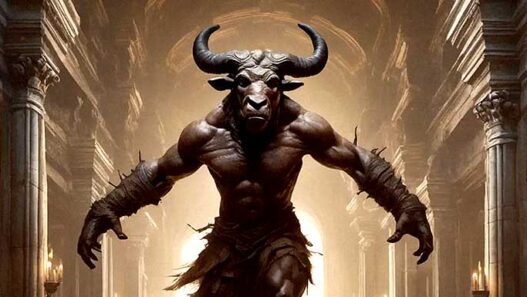



At first glance, the Minotaur mythology seems surreal and fantastical. The half‑man, half‑bull beast trapped in the Labyrinth — feels like a classic monster from Greek mythology. This creature carries rich psychological meaning. For many scholars, storytellers, and psychologists, the Minotaur represents something far deeper than a monstrous obstacle for a hero to defeat: it is a symbol of the shadow self, the hidden parts of human nature we prefer not to see.
What Is the Shadow Self?
The idea of the shadow self comes from Carl Jung’s analytical psychology. Jung described the shadow as the unconscious aspect of personality, the parts we reject, repress, or deny because they conflict with our conscious identity or social expectations. These traits can include anger, fear, primal impulses, envy, or other emotions and desires we find difficult to accept.
In Jung’s model, the shadow isn’t just “bad stuff.” It’s all of the aspects of ourselves that we bury in the unconscious because they don’t align with how we think we should behave. Confronting and integrating the shadow is a difficult but essential step in psychological growth.
These myths and stories all feed into the broader meaning of the Minotaur. You can dive into its full symbolic significance in my article, The Symbolism of the Minotaur.
Why the Minotaur Represents the Shadow
In the myth of Theseus and the Minotaur, the beast lives at the center of an intricate maze, the Labyrinth. This setting makes the Minotaur a powerful metaphor for the parts of the psyche hidden deep within us.
Here’s why many modern interpretations see the Minotaur as a symbol of the shadow:
Half‑Human, Half‑Beast: Our Dual Nature
The Minotaur’s hybrid form reflects the tension between the civilised self and the primal self, the conscious persona we present to the world versus the raw instincts we try to suppress.
The Labyrinth: The Unconscious Mind
Like the mythic maze, the unconscious isn’t obvious. It’s complex, messy, and often unsettling. The Minotaur waiting at the center is a perfect mythic image for those unexamined parts of ourselves, the subconscious fears, desires, and memories that influence how we behave.
Confrontation = Self‑Discovery
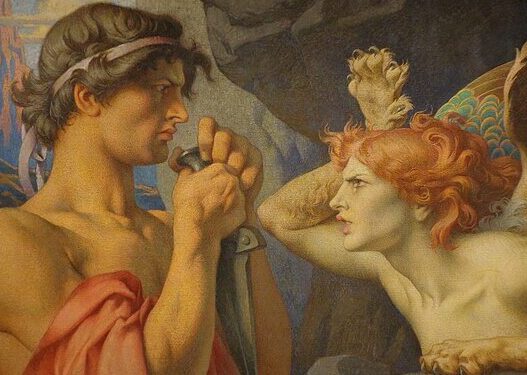
In the original story, Theseus must enter the Labyrinth, meet the Minotaur, and defeat it. Psychologically, this represents the inner journey of facing who we are, not just who we want to be. Confronting the shadow allows us to integrate hidden aspects of personality and find a more authentic version of ourselves.
To see how the hero Theseus confronted the beast at the heart of the labyrinth, check out my blog on the Story of Theseus and the Minotaur.
Shadow Work and Personal Growth
In Jungian psychology, acknowledging your shadow isn’t about “getting rid of” the dark parts of yourself, it’s about understanding and integrating them. This process allows for greater self‑awareness and emotional balance.
For a deeper look at why the Minotaur came into being and the role of King Minos’ wrath, explore The Minotaur and King Minos: Power, Punishment, and Divine Wrath.
Many therapists use myths like the Minotaur as metaphors in therapy to help people visualise internal conflicts. Facing your own “Minotaur” can be symbolic of confronting repressed anger, unresolved fears, or hidden desires. When approached with curiosity rather than fear, these parts can become sources of strength and insight rather than obstacles.
The Minotaur Beyond Psychology: Cultural Legacy
The Minotaur’s symbolic role as shadow isn’t just limited to psychology — it’s visible in art, literature, and pop culture. Writers and artists use the Minotaur to explore themes of inner turmoil, identity, and transformation. These interpretations show how a myth from ancient Greece still speaks to modern experiences of self‑discovery and inner conflict.
Check out my blog Viking Runes and Mythology