




What Does the Heron Symbolise in The Boy and the Heron?
© Studio Ghibli, 2023.
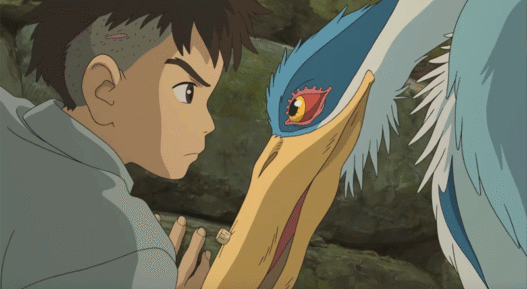
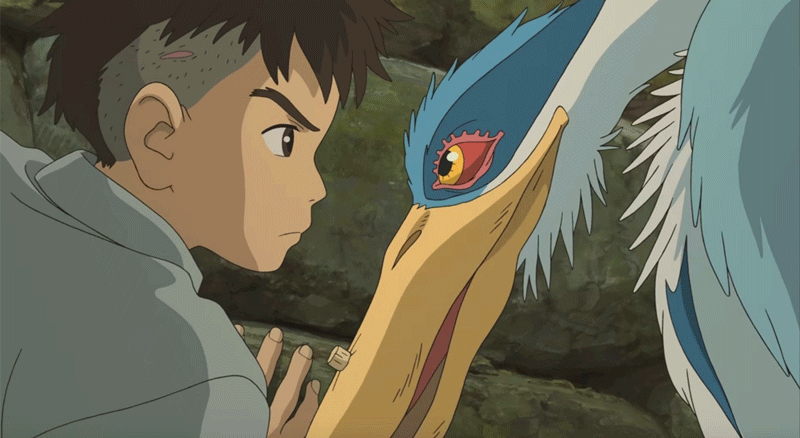
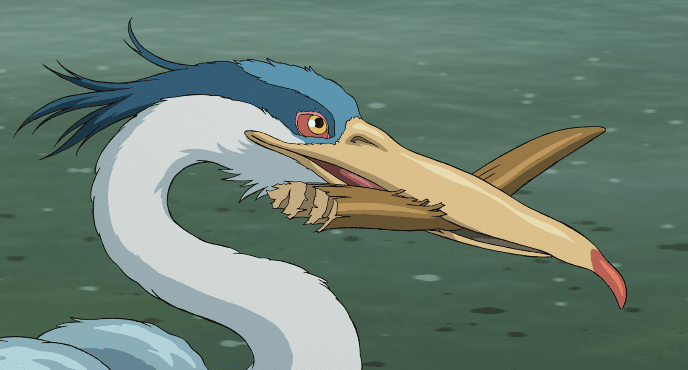
That ambiguity is the point. The heron, for me, is Miyazaki’s signal that nothing in this film will be morally simple.
This aligns the heron with one of the oldest traditions in Japanese folklore: the creature that walks the grey zone. Japanese mythology is full of beings that exist in thresholds, neither demon nor divine, neither living nor dead. This film leans into that tradition deliberately, and it rewards viewers who recognise it.
For Ghibli fans, Spirited Away covered similar ground, weaving transformation and threshold-crossing into the fabric of everyday life until the strange felt completely normal. But personally, the first time symbolic storytelling hit me this hard was Pan’s Labyrinth (2006). The faun operates in that same morally ambiguous guide role. You are never quite sure if he is leading the protagonist toward salvation or destruction. The heron carries that same charge. The difference is that Miyazaki never fully resolves the question. The heron remains ambiguous until the very end, and that unresolved tension is precisely what makes him linger.
Symbolism in Objects: How Memory is Encoded in The Boy and the Heron
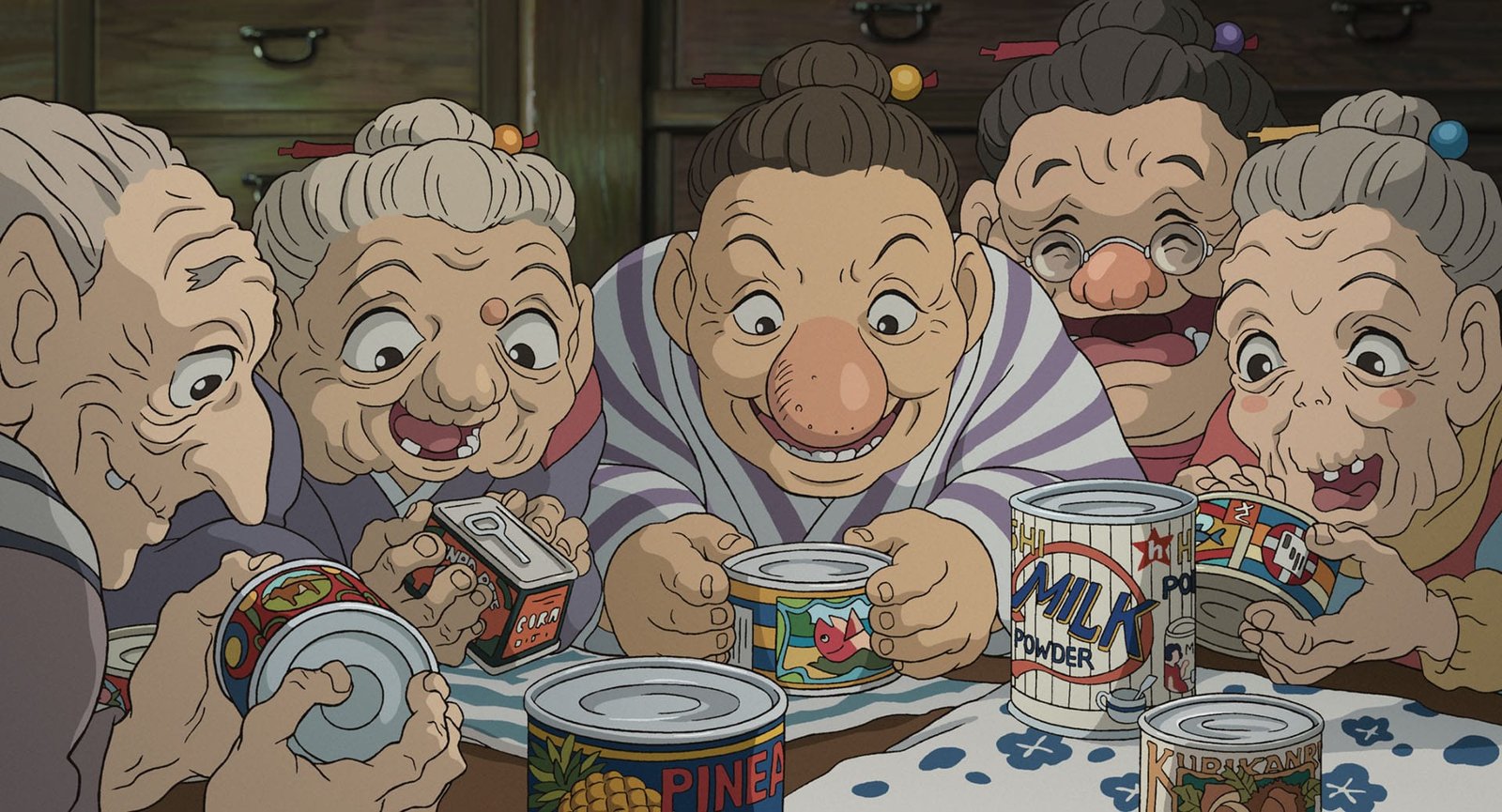
Objects in Miyazaki’s films are never decorative. They are chosen with the precision of a painter selecting what to place on a canvas, because each one carries weight far beyond its physical presence. A crumbling tower. A book passed down through generations. A portrait glimpsed and then lost. These are not set dressing for the sake of filling the frame. They are psychological choices, building a complex narrative that is somehow digestible for Ghibli newcomers and longtime fans alike.
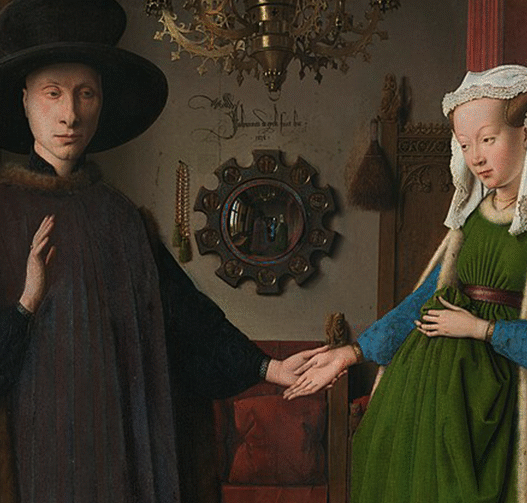
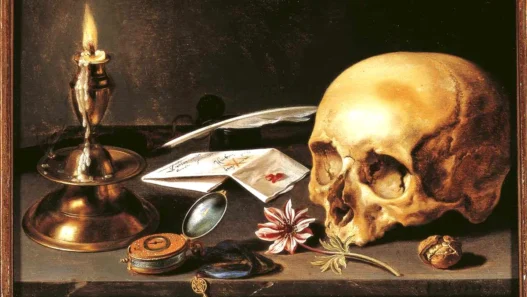
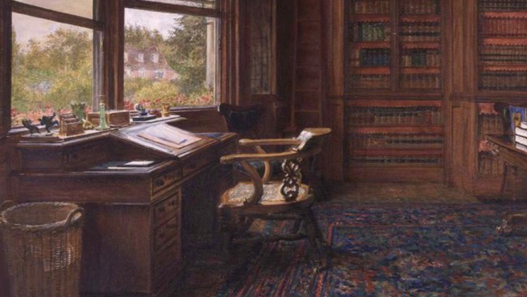
This is a technique rooted in centuries of painted tradition. In both Eastern and Western still-life painting, the arrangement of everyday objects encoded allegory, memory, and moral meaning. The clearest parallel I found was in the Vanitas tradition, a genre of 17th century Dutch painting built entirely around symbolic objects. Skulls, wilting flowers, hourglasses, and half-eaten fruit were arranged not for beauty, but to carry a single message: time passes, and nothing lasts. Memento Mori. Every object was a word in a visual language the viewer was expected to read.
When you see a skull on a desk, yes, it can feel morbid and blunt. But beyond that dark tunnel in your mind is the light of time, memories and history, cracked through the gaps like a searchlight waiting for your ship. Miyazaki works the same way. He places the object, trusts you to feel it, and moves on.
Nowhere is this more deliberate than in the tower itself. To me the tower is a world built on malice, each stone in the Granduncle’s precarious stack representing the weight of the corrupted human condition. Heavy, unbalanced, requiring impossible patience to hold together.
But the tower operates on a historical level too, and this is where the symbolism deepens considerably. The tower in The Boy and the Heron is a profound architectural metaphor for the Meiji Era, the turning point where Japan hurtled toward rapid Westernisation. Its design is one of the most jarring fusions of traditional Japanese and imported Western styles in the film, a hybrid structure for a hybrid identity. Modern Japan, still figuring out what it is made of.
The Granduncle’s precarious stack of blocks mirrors this struggle exactly. He is not simply balancing stones. He is attempting the impossible task of holding mismatched historical fragments together into something coherent and peaceful. The fact that it eventually falls is not a failure. It was always going to fall. Some things cannot be balanced indefinitely. They can only be held for as long as one pair of hands can manage.
What Do the Warawara and Himi Represent in The Boy and the Heron?
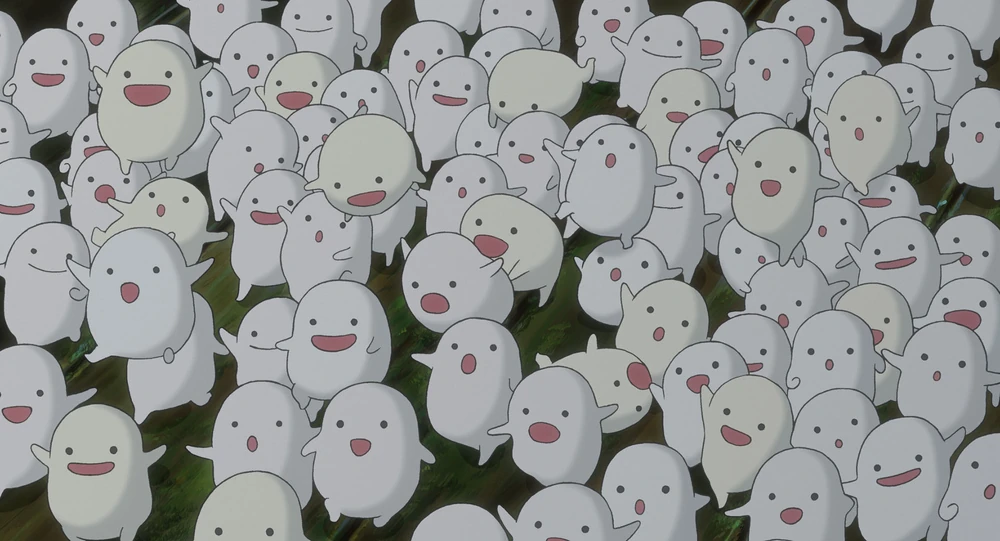
Of all the film’s invented symbols, the Warawara are the most quietly devastating. These small, orb-like drifting creatures represent unborn souls, life before form, potential before it encounters the world. They remind me of komorebi, that dappled light through trees, flickering with a presence that isn’t quite here yet. Beautiful precisely because it is fleeting.
But their beauty is inseparable from their vulnerability. The pelicans descend in a desperate, hungry frenzy, consuming souls before they can ascend, offering one of the most unsentimental views of creation I have seen in animation. Birth is not guaranteed here. It is fragile, contested, and sometimes lost before it even begins.
This is where Himi, the Fire Maiden, becomes essential to the symbolism. She is the protector, summoning literal fire to drive the predators away. And yet her flames inadvertently consume some of the very souls she is trying to save. In the language of art, this is collateral damage rendered visually, and it is devastating because her intention is pure.
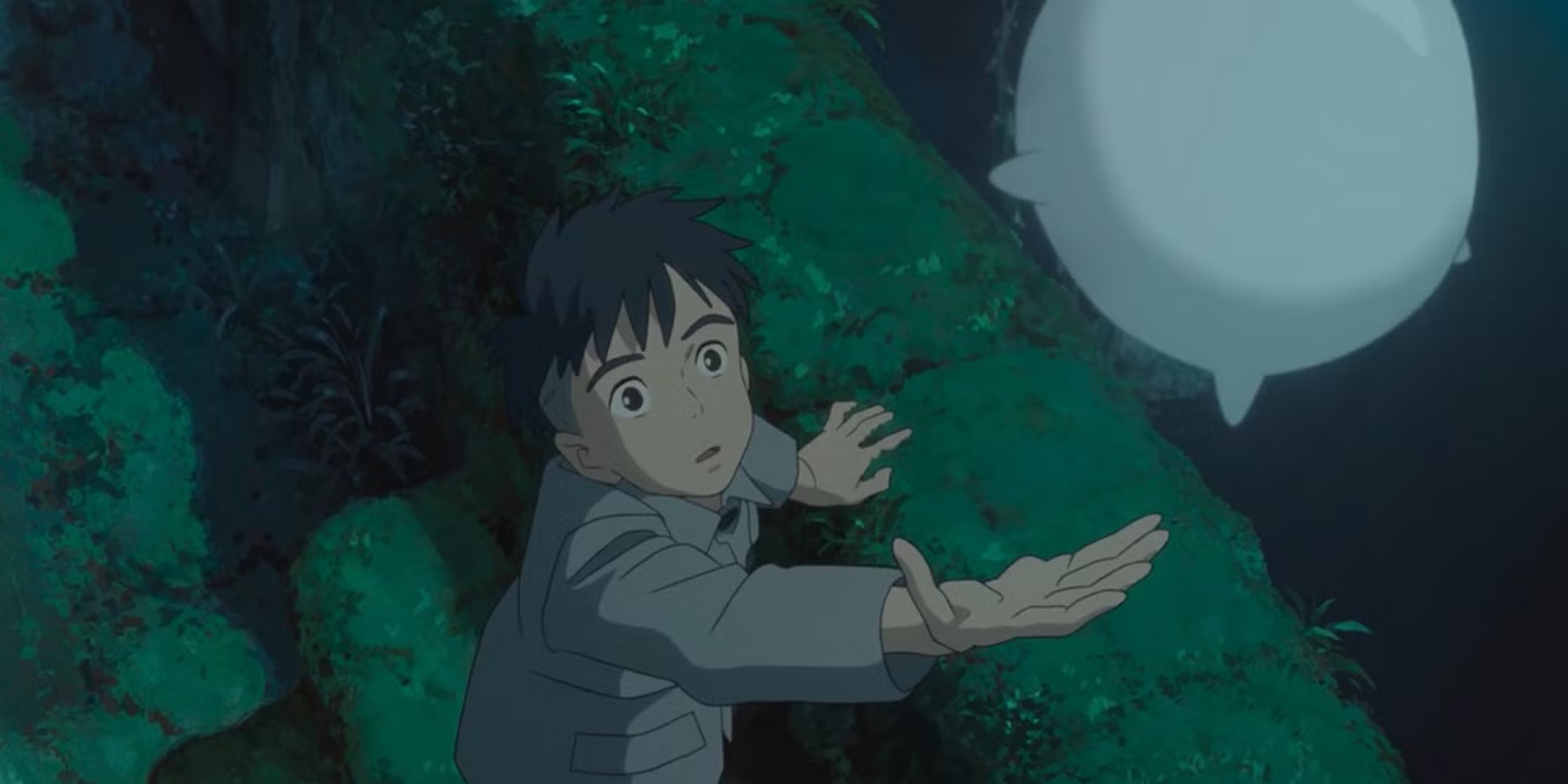
Miyazaki is suggesting something quietly brutal here. Even the most noble act of creation or protection carries an inescapable cost. Not malice in the sense of intent, but malice in the sense of consequence. The spark of life and the violence of survival are not opposites. They are the same moment.
When the music swims through the colour of this sequence, it is not simply celebrating birth. It is mourning it too. And in that simultaneous joy and grief, Miyazaki places his most honest statement about what it means to make something, to protect something, and to lose something in the same breath.
That is not just the story of the Warawara. It is the story of every film he ever made.
The Grey Heron: The Deceptive Guide and the Mirror of Friendship
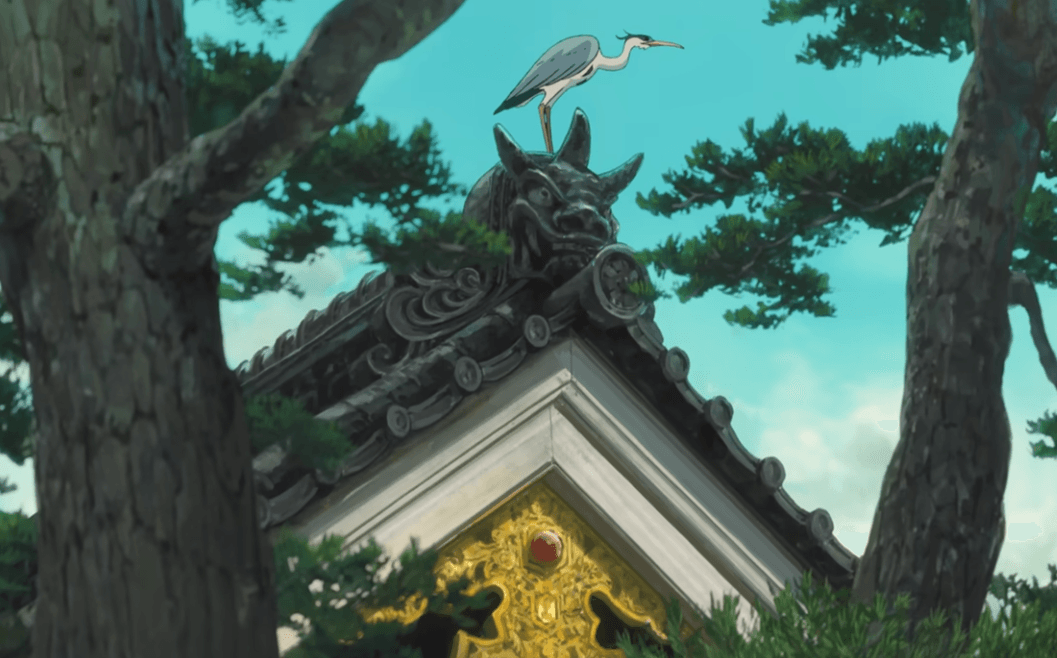
One of the biggest questions in any mythological story is: where is the guide really leading you?
In Japanese folklore the heron, known as sagi, is a liminal figure. A messenger of the gods associated with death, transition, and the crossing between worlds. Miyazaki leans into this tradition deliberately, presenting the heron initially as a monstrous and terrifying trickster who uses Mahito’s grief as a lure. He is not here to comfort. He is here to destabilise, because destabilisation is the only thing that will force Mahito to move.
But the heron’s true form changes everything. Beneath the feathers is a small, flawed, deeply human figure. A man inside a bird. And this is where the film reveals its most personal layer of symbolism.
Studio Ghibli producer Toshio Suzuki has confirmed that the heron is a tribute to himself, a portrait of the push and pull relationship between a director and his producer. These were lifelong friends who spent decades navigating the friction of creation together, two people who needed each other and drove each other to the edge in equal measure. When you watch the heron bicker, manipulate, and ultimately stand by Mahito through the worst of it, you are watching a love letter to that specific kind of creative partnership. The kind that looks like conflict from the outside and feels like trust from the inside.
The heron is not a benevolent mentor. He is grumpy, cowardly, and frequently dishonest. He mirrors Mahito’s own guilt and fear back at him without mercy or grace. And yet he stays. That is the point. The dialogue between them is riddled with what feels like real conversations between two people who have known each other too long to pretend, and not long enough to stop caring.
By the end of the film, the heron’s instruction to forget it all is the most quietly radical moment in the entire story. It is not defeat. It is the healthiest possible relationship with trauma: to let the fantasy do its work, learn what it came to teach, and then leave it behind without clinging to it. This is the necessity of the lie in art. We use fiction and fantasy to navigate the painful truths of reality, and the mark of a good guide is knowing when to stop guiding.
If the Tower is the structure and the Warawara are the soul, the Grey Heron is the navigator between these worlds. He represents the guide we all wait for, whether in this life or the next. The one who will not always be kind, will not always be honest, but will get you where you need to go.
The Parakeets: A Satirical Mirror of Human Civilisation
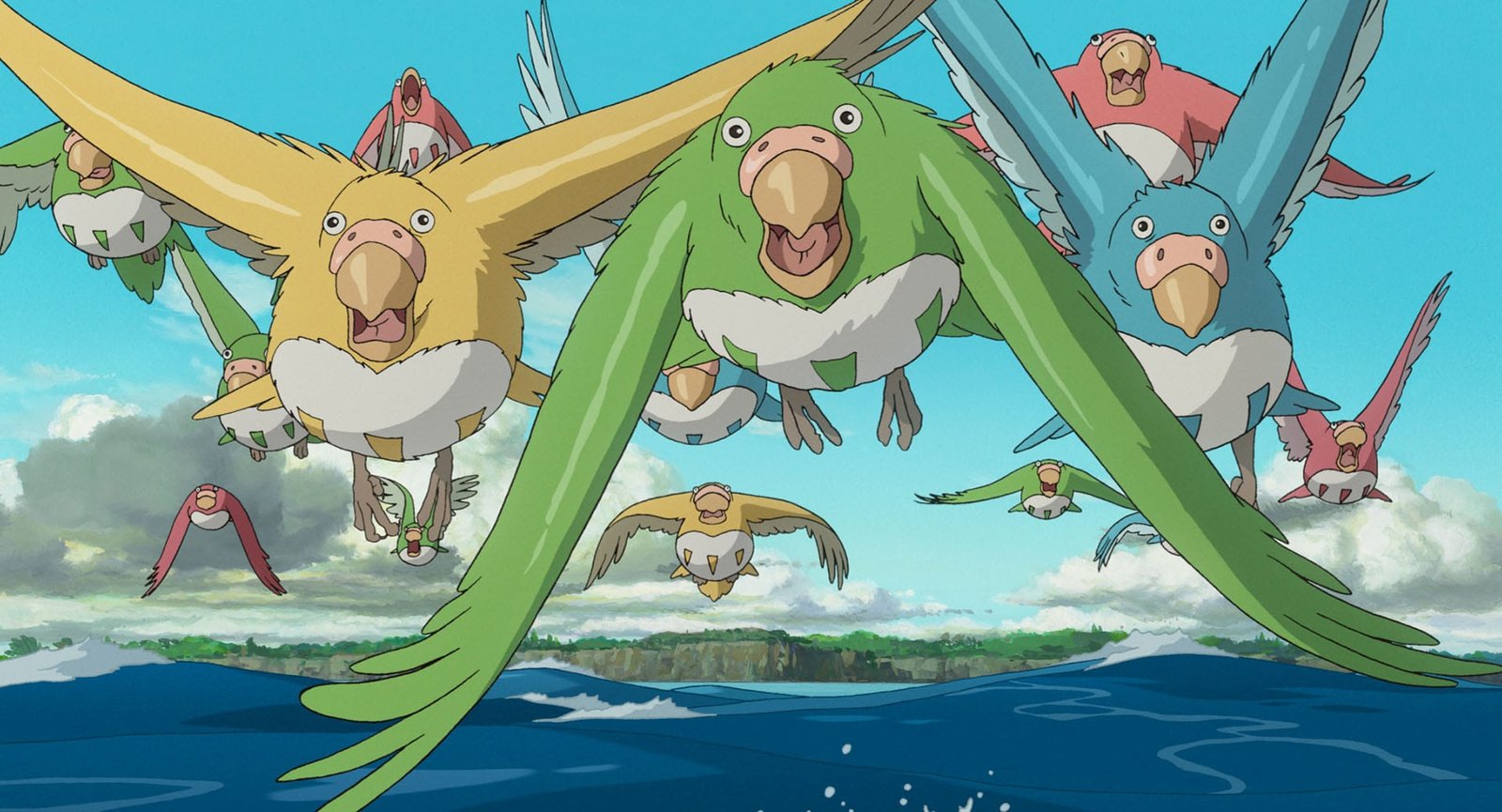
There is no symbol in this film more unsettling than the one that makes you laugh first.
These birds were originally brought into the tower as ordinary pets. In this fantasy realm they have evolved into a militant, man-eating society, complete with uniforms, weapons, and a king. Whenever I think of their beaks and their marching, it sends a chill down my spine. Because Miyazaki has done something genuinely dangerous here: he has made the most terrifying thing in the film also the most absurd.
Visually, their bright goofy colours clash with their sharp knives and disciplined marching. This is what many call the banality of evil: the way violence and ideology can wear a comedic face and still consume everything in its path. The joke is the point. The laugh is the trap.
In the context of the film’s WWII setting, the Parakeets are widely interpreted as a critique of Fascism and mindless nationalism. They follow the Parakeet King, a figure often compared to Mussolini, with blind devotion, repeating slogans and symbols they don’t truly understand. But whether that comparison is too reductive is worth asking. Mussolini was calculated and theatrical. The Parakeet King feels less like a specific dictator and more like the system itself given a face: the embodiment of what happens when ideology replaces thought entirely. He is not the cause. He is the result.
This is how propaganda works. It doesn’t create the flock. It reveals that the flock was always there, waiting for something to follow. While the parakeets are often played for laughs, their presence is a grim reminder that even in a world built from imagination and creative will, the human impulse for power and tribalism eventually seeps in.
Nature has its own version of this subversion. Aposematism is the biological strategy where animals use bright conspicuous colours, red, yellow, orange, not to attract but to warn. To signal danger rather than delight. The parakeets follow the same logic. They are not colourful despite being dangerous. They are colourful because they are.
The Parakeet King’s final act tells you everything. He hacks at the Granduncle’s balancing blocks with a sword, impatiently, violently, because he cannot comprehend any other way to engage with something fragile. He tries to force stability through violence, lacking both the patience and the humility that true creation requires. When you look closely at the eyes of each character in that moment, the ego is not just present. It is transforming, consuming, evolving into something that cannot be reasoned with.
And then the Tower falls.
The parakeets escape into the real world and shrink back into tiny, harmless birds. Without the structures of ideology and power to prop them up, these intimidating forces reveal themselves as something small and ordinary. It is one of the most quietly devastating images in the film.
It is a powerful statement about hegemony. Stripped of the structures that enforce it, even the most normalised system of control reveals itself as something small and ordinary. For those who have ever broken free from the weight of social norms, this image will resonate deeply. Without the system holding its shape, what remains is simply nature. Nothingness. And in that nothingness, something closer to truth.
The 13 Stones in The Boy and the Heron
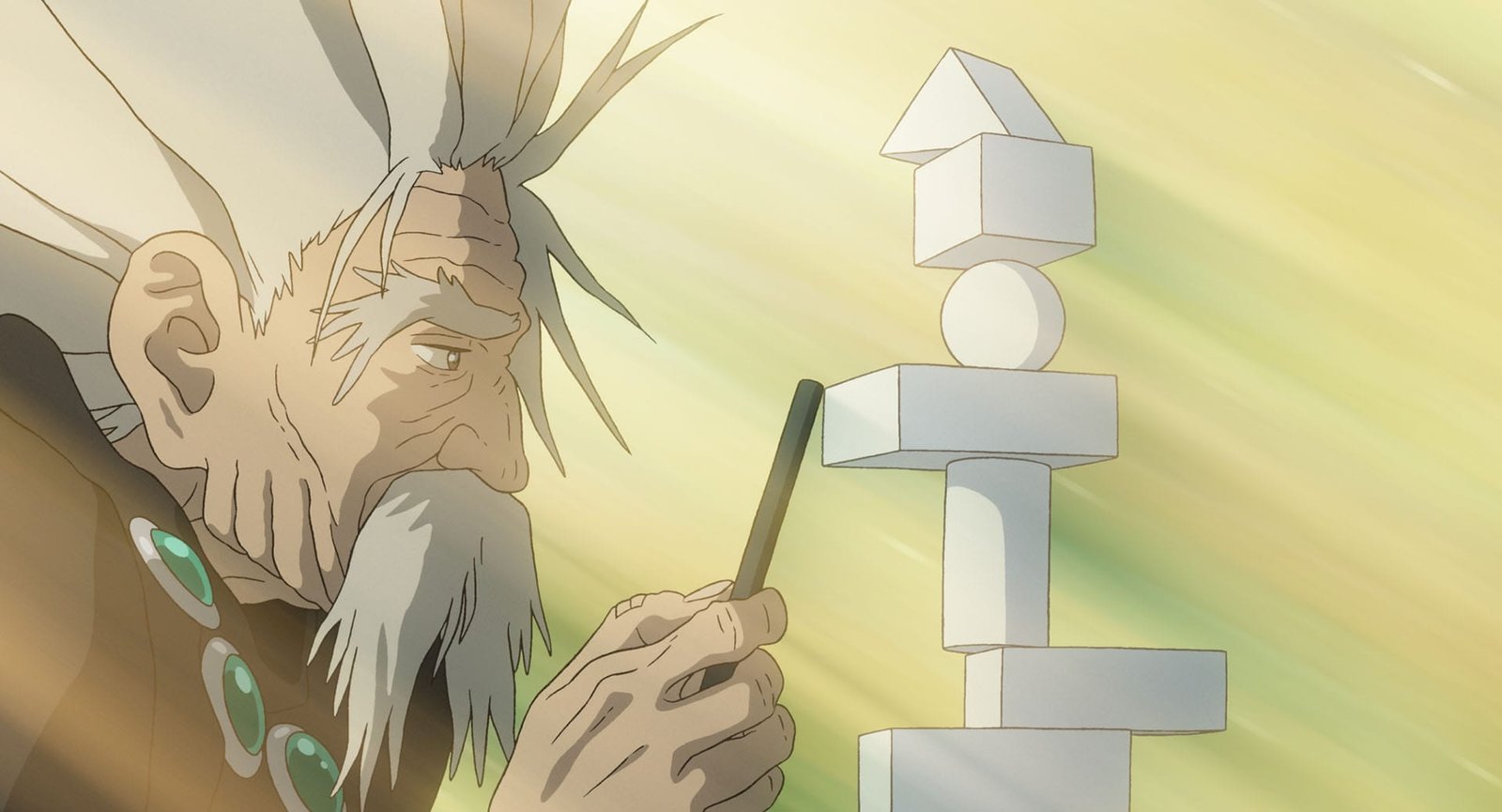
The number 13 sits at the very heart of the Tower. Not as decoration. As a statement.
The Granduncle balances exactly 13 stones, desperately trying to maintain equilibrium in a world on the edge of collapse. And if you believe in the symbolic weight that numbers carry across cultures and centuries, this detail is not incidental. It is everything.
Thirteen is one of the most loaded numbers in human culture, and rarely in a comforting direction. In Western tradition it is the number of bad luck, disorder, and the breaking of harmony. There were 13 present at the Last Supper. Friday the 13th has carried a sense of dread across centuries. The number sits just beyond 12, which across cultures represents completeness: the 12 months, the 12 zodiac signs, the 12 disciples. And so 13 becomes the thing that tips the balance. The excess. The instability. The one thing too many.
Now consider this. The Boy and the Heron is Miyazaki’s 13th film, if you include Nausicaä of the Valley of the Wind, made just before Studio Ghibli was formally founded in 1985. From The Castle of Cagliostro in 1979 to this final farewell, each stone the Granduncle balances could be read as a world Miyazaki himself built. A beautiful dream, held steady against the encroaching chaos of reality, for as long as human hands could manage.
The 13th stone was always going to be the one that ended it.
The Granduncle’s search for a successor who is “free of malice” reflects the real anxiety of an aging master confronting his own legacy. Not just what he built, but who it passes to, and whether it survives the passing intact. The requirement of being free of malice is telling. It is not talent he is looking for. It is purity of intention. And when no such successor appears, the stones fall anyway. Some legacies cannot be transferred. They can only be completed.
Which is precisely what Mahito understands when he makes his choice. By selecting ordinary wooden blocks over the pure stones, he refuses the burden of maintaining someone else’s perfect, static masterpiece. He is not failing the Granduncle. He is honouring him in the only honest way available: by choosing his own imperfect life over an inherited ideal. It is not a failure. It is a liberation.
This final image of destruction, swirling into collapse, is Miyazaki’s most personal statement in the entire film. Art can create worlds. But it cannot live your life for you. It cannot grieve for you, love for you, or carry your battle scars. That is yours alone.
Miyazaki doesn’t ask us to preserve what he built. He asks us to go and build something of our own.
The Shadow and the Self: A Jungian Reading of Mahito’s Journey
Why do Ghibli movies feel like waking up in the middle of the night, in total darkness, trying to capture fragments of your last dream?
Carl Jung called this sensation the edge of individuation: the lifelong process of confronting the parts of yourself you have buried, denied, or never fully understood, and integrating them into a coherent whole. Much like Persephone’s descent into the underworld, Mahito’s journey is not a fantasy adventure. It is a map of the unconscious mind.
The Tower as the Unconscious
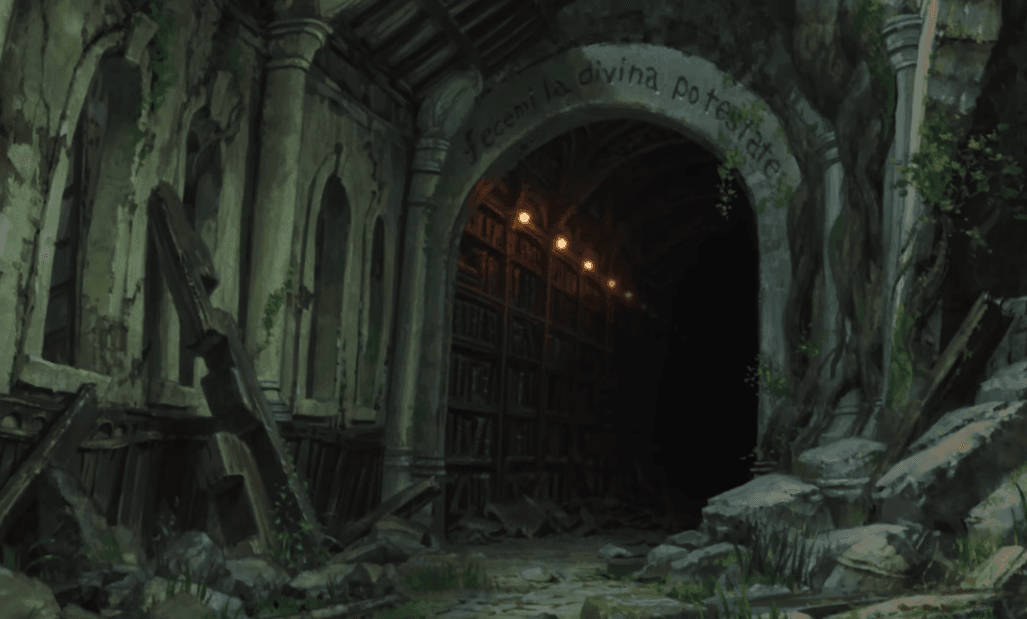
The act of descending into an unknown realm is one of the most consistent symbols of confronting the unconscious. Caves, labyrinths, underworlds, and towers all carry the same psychological charge: you are going somewhere you cannot fully control, to encounter something you cannot fully predict.
When Mahito crosses the threshold, he is not entering a building. He is entering himself. The walls are filled with grief, the floors ripple with rage, and the footsteps of guilt are waiting for him on the other side of the door. Every creature, every rule, every threat he encounters reflects something unresolved within him. The grief he has not processed. The anger he will not express. The love he cannot yet accept.
When I entered the tower with Mahito, it reminded me immediately of the cultural weight towers carry in the oldest stories we have. Its Western Neo-Classical design is castle-like and feels deliberately out of place in the surrounding nature. But it is the entrance that stopped me completely. The tower is inscribed with the words “fecemi la divina potestate,” a quote from Dante describing the gates of Hell, Latin for “I was made by divine power.” You are not entering a building. You are entering something that has announced its own significance above the door.
And then the interior fractures everything you expected. Ancient mosaic tile flooring. Glittering constellations across the ceiling. Enormous bookshelves stretching beyond sight. The dark logic of a traditional tower collapses entirely. This is the unconscious rendered architectural. Disorienting, breathtaking, and operating by rules you have to learn as you go.
The Heron as Trickster
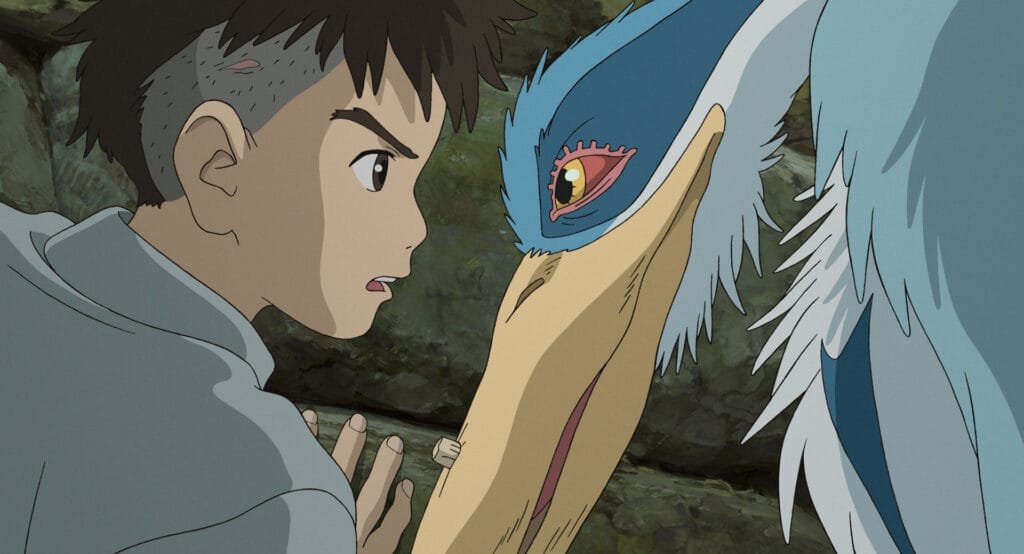
Setting aside my personal connection with Mahito, my favourite character in the film is the Heron. Specifically, the way he represents the Trickster archetype at the core of the human psyche. The Trickster deceives, destabilises, and subverts. Not out of cruelty, but because disruption is sometimes the only path to growth. Hermes. Loki. Anansi. The Trickster appears across every culture because we all recognise this figure from our own inner life. The one who forces the journey we were avoiding.
The heron is Miyazaki’s Trickster. He lies to Mahito repeatedly, manipulating him through unsettling half-truths that border on the kind of honesty we usually prefer to avoid. And yet without him, Mahito never makes the journey at all. This is the paradox Jung understood so clearly: the figure that seems to work against us is often the one driving us toward what we most need to confront.
My one frustration, and I say this with full appreciation of the symbolism, is how physically helpless the heron appears. He is far from the graceful, commanding presence you would find in Ukiyo-e paintings across Japan. But perhaps that is entirely the point. The Trickster was never meant to be impressive. He was meant to be impossible to ignore.
The Two Mothers and the Anima
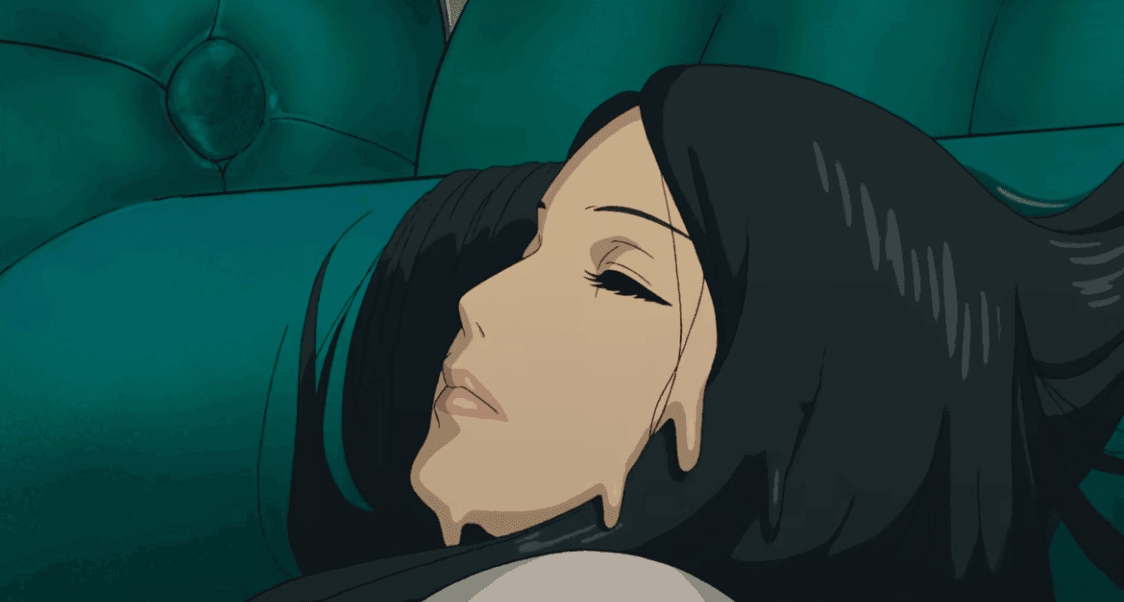
Death hits us all differently. For Mahito, grief has not arrived cleanly. It has split him down the middle.
He encounters his mother in two forms throughout the film: the mother who died, and the mother who is still living. Jung would recognise this immediately as a confrontation with the Anima, the internal feminine archetype that guides transformation from within every individual. For Mahito, the Anima is fractured. Grief has divided his internal image of the feminine into two irreconcilable figures: the idealised dead mother he cannot release, and the living mother he cannot fully accept because accepting her feels like a betrayal of the first.
His journey through the underworld is, at its psychological core, the slow and painful work of reconciling these two versions into something whole. But if you have ever tried to repair something truly broken, you will know that wholeness after fracture is never the same as wholeness before it. Think of Kintsugi, the Japanese art of repairing broken pottery with gold. The crack remains visible. The repair becomes part of the object. The scar is not hidden. It is honoured.
The film does not resolve this cleanly, and I will admit that frustrated me on first watch. But that frustration is entirely the point. Individuation was never a neat process. It is slow, nonlinear, and often painful. Mahito does not emerge from the Tower healed. He emerges changed. There is a difference, and Miyazaki knows it.
The Granduncle as the Wise Old Man
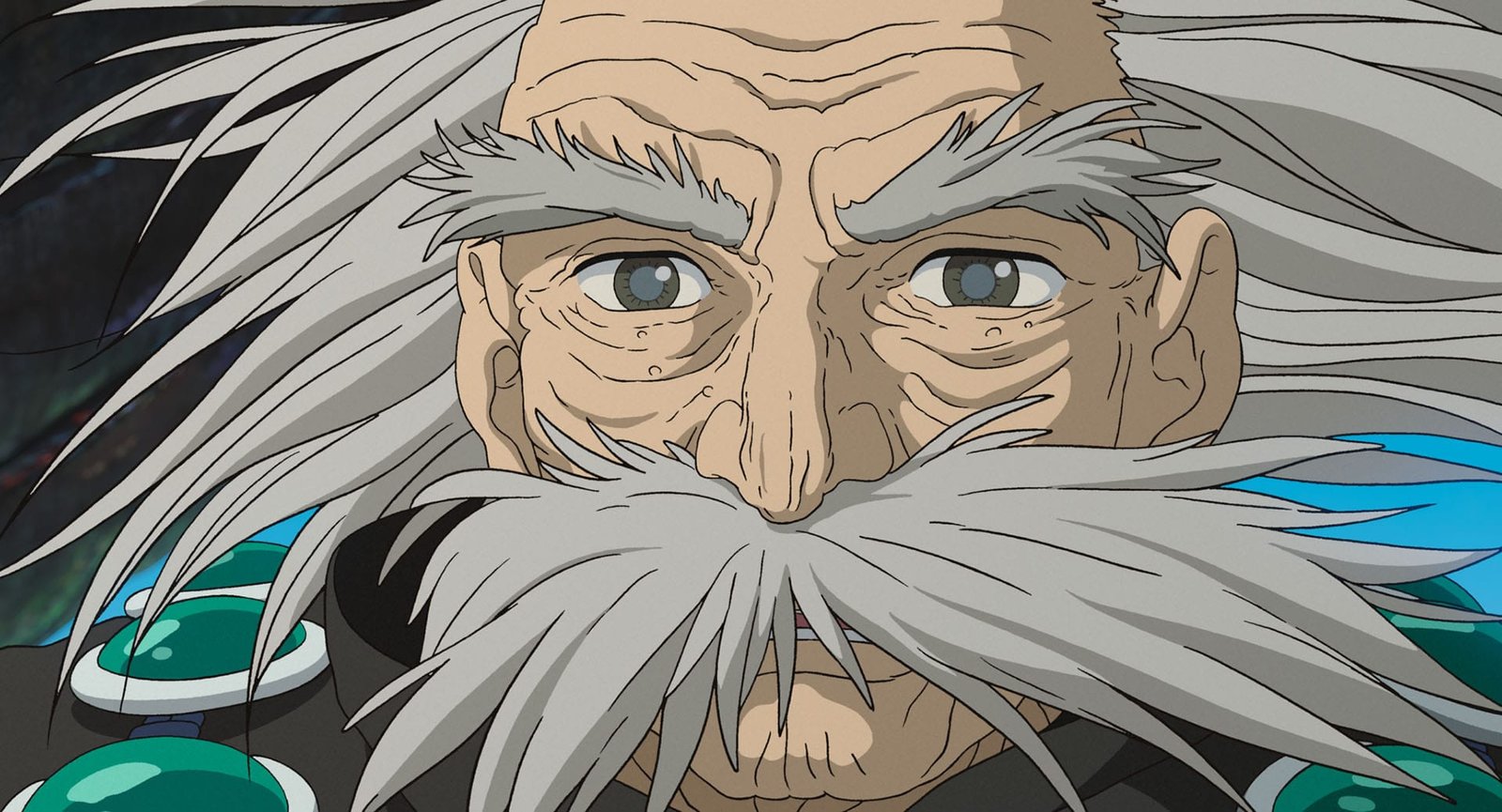
One thing the older generation have over the young is time, and the particular kind of knowledge that only time produces. The Granduncle carries this in every frame. Think of Merlin. Gandalf. Obi-Wan. The Wise Old Man archetype is embedded so deeply in storytelling because it reflects something real about how wisdom moves between generations.
The Granduncle fits this archetype almost perfectly. He has built an entire world through creative will alone, holding it together through patience and discipline. Creativity at its peak can be volatile, and he has managed that volatility for longer than most could sustain. He searches desperately for a successor free of malice to carry what he has built forward. And when no such successor appears, the world falls anyway.
This is Jung’s Wise Old Man at his most honest. Wisdom cannot be transferred by force. The old world must collapse for the new one to begin. The Granduncle does not fail. He completes his function. Letting go is the final act of wisdom.
The Shadow
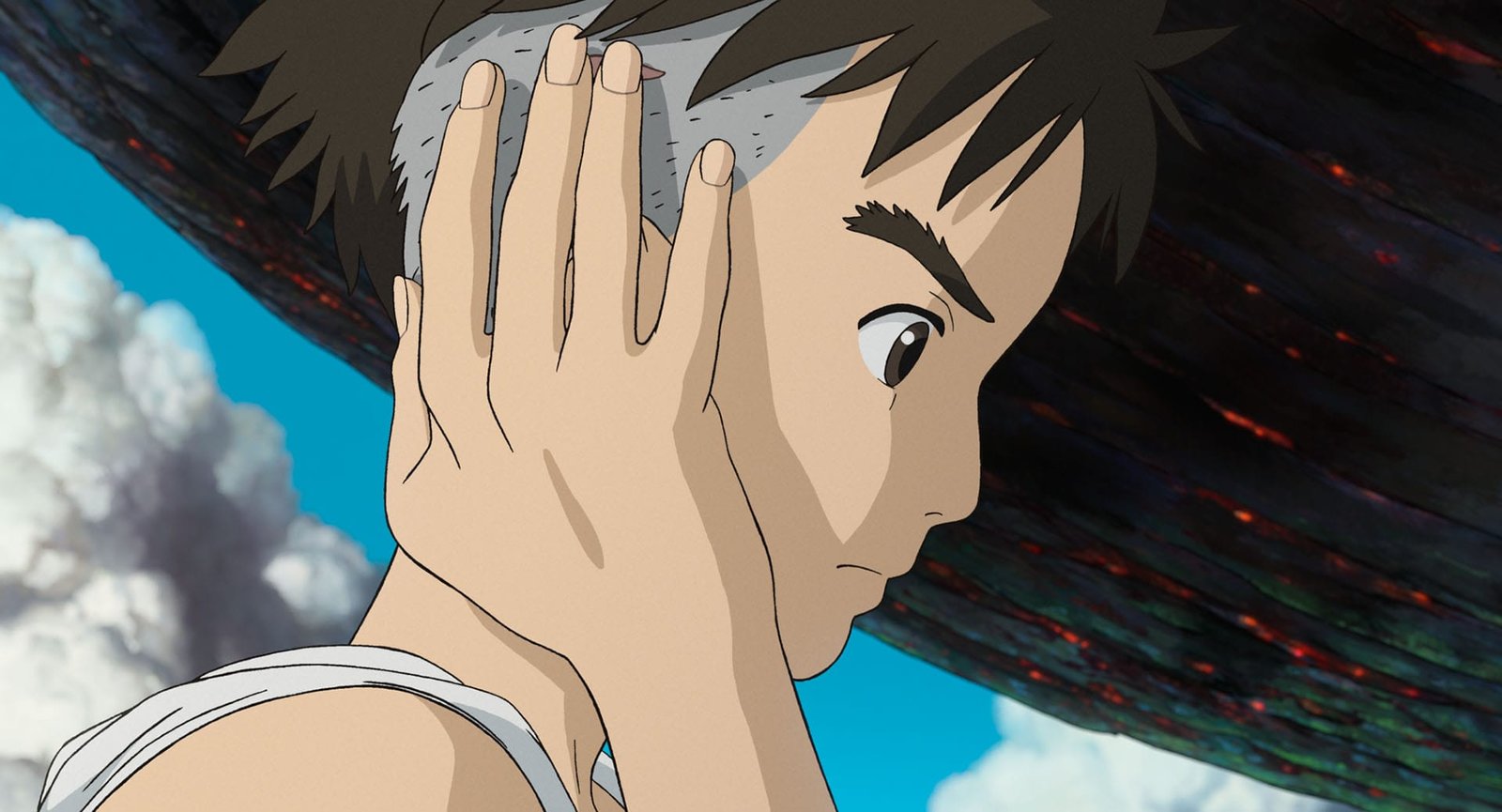
At the centre of Jungian psychology, and at the centre of every story layered with true symbolism, is the Shadow. The sum of everything we refuse to acknowledge about ourselves. We have explored this at length in [article link] and [article link], and the lesson remains the same: ignoring the Shadow does not make it smaller. It makes it more dangerous.
Mahito carries a profound Shadow. The wound on his forehead, self-inflicted in the film’s opening, is not incidental. It is the Shadow announcing itself physically, the body expressing what the mind refuses to process. And scars have a way of making that permanence visible. The skin repairs itself through collagen laid down in parallel fibres, smooth and reflective, prioritising function over finesse. A shiny surface where complexity used to be. The body heals. The mark remains. The Shadow leaves its evidence whether we invite it or not.
His entire journey through the Tower is an encounter with that Shadow, chaos made visible, externalised into a world he must walk through rather than avoid. The moral ambiguity of every figure he meets is not happening to him from the outside. It is happening from the inside.
By the time Mahito chooses the wooden blocks and returns to the real world, he has not destroyed his Shadow. You never do. But he has looked at it directly, walked its corridors, measured its length. Jung created a series of mandalas to map this inward journey, prisms and corridors folding back on themselves. The shadow stretches as far as you walk. But so do you.
The Heron Symbol Across Ancient Cultures: Egypt, Greece, and Beyond
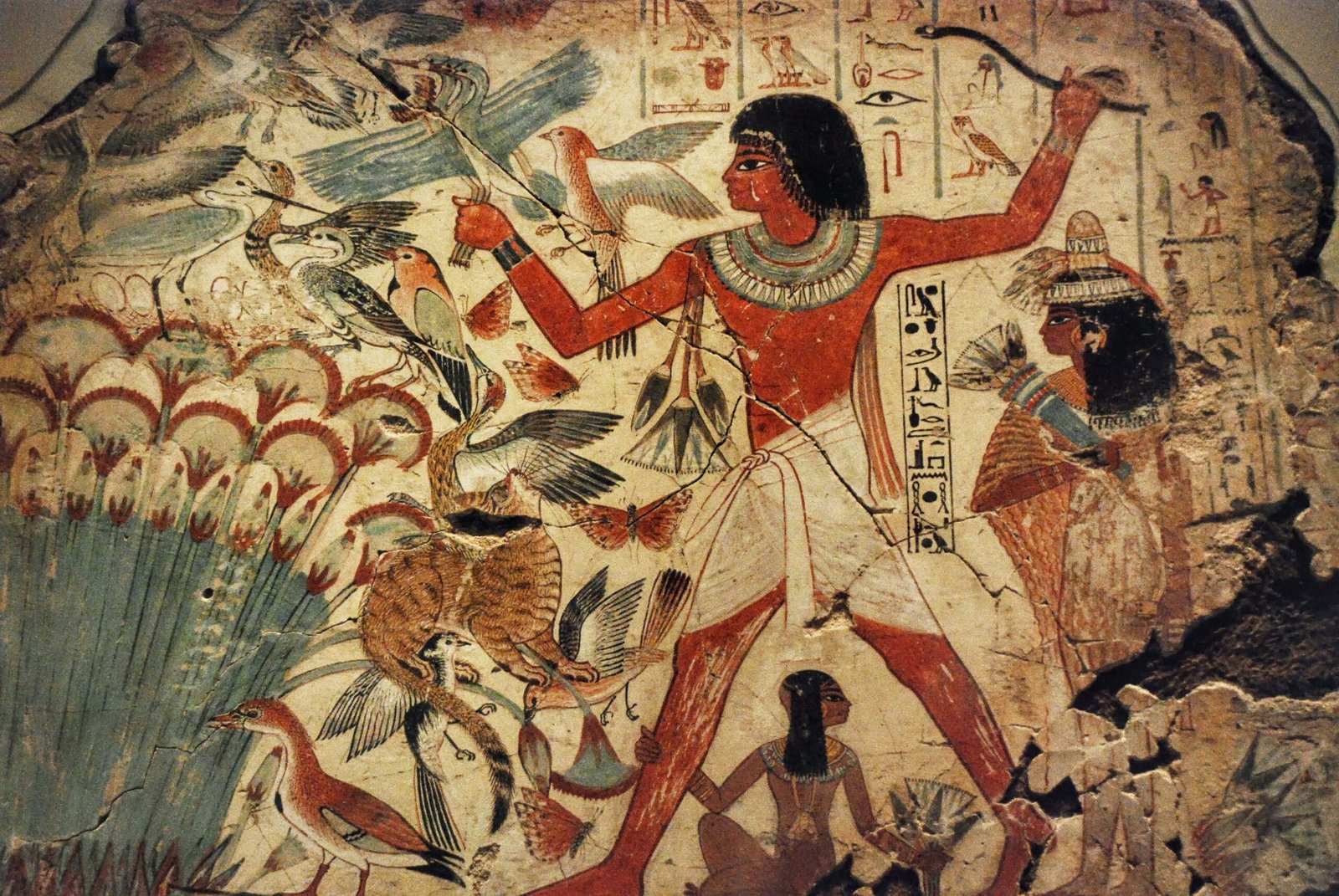
Considering the counterpart of the entire film is embodied through a heron, it felt only right to go looking for this bird in the oldest stories we have. What I found was not one symbol in one culture, separated by vast waters. It was the same symbol, arriving independently, across civilisations that never spoke to each other. That convergence is not coincidence. It is something closer to instinct.
We start in ancient Egypt, because for me this is the most direct line to Miyazaki’s heron. In Egyptian mythology the heron was the earthly form of the Benu-bird, a sacred creature believed to have heralded the very beginning of time. The Book of the Dead contains spells specifically intended to transform the deceased into this bird, linking the heron to cyclical renewal and the crossing between life and death. A double-headed heron symbolised abundance and prosperity. When you watch the heron lead Mahito across the threshold between the living world and the realm of the dead, this is the tradition it is standing in. Thousands of years old, and still legible.
In ancient Greece the heron carried a different kind of authority. Homer’s Iliad describes a heron gliding through the night to encourage Odysseus before battle, a divine omen arriving at the moment of greatest uncertainty. If you are someone who believes in signs, this image will feel familiar. The very name heron derives from the Greek krizein, meaning to cry out, reinforcing its ancient role as a herald. Something that announces what is coming before you are ready to hear it. In the film, the heron does exactly this. He arrives before Mahito is ready. He always does.
The Aztecs take it somewhere different entirely. Their sacred homeland was not named after a god or a king. It was named after a bird. The people were said to emerge from seven caves to reach Aztlan, a word that combines aztatl, meaning heron, with tlan, meaning place of. The heron is not just a symbol of journey here. It is the destination itself. Home. And for Mahito, who has lost his home in every sense the word carries, that resonance runs deep.
In Chinese symbolism the connection is linguistic and therefore inescapable. The word for heron, lu, is a homophone for path or way. Herons appear alongside lotus flowers in charms and artwork, carrying the blessing: may your path be ever harmonious. The bird becomes, quite literally, the word for the road ahead.
Among the Iroquois, the blue heron was a favourable omen for hunters setting out on a journey. Not a god, not a messenger. Simply a sign that you were heading in the right direction. That the path ahead had been seen by something wiser than you, and approved. There is something quietly comforting in that reading. Not all guides announce themselves dramatically. Some simply appear, and their presence alone is enough.
When I learned how deeply rooted the heron is across all of these cultures, something shifted in how I watched the film. This was not a random choice of bird. Miyazaki chose the one creature that humanity, across every continent and every century, has consistently understood as a guide between states of being. Between life and death. Between home and exile. Between who you were and who you are becoming.
The heron has always meant threshold. He just animated it.
Reading the Symbolism in The Boy and the Heron Like a Painting
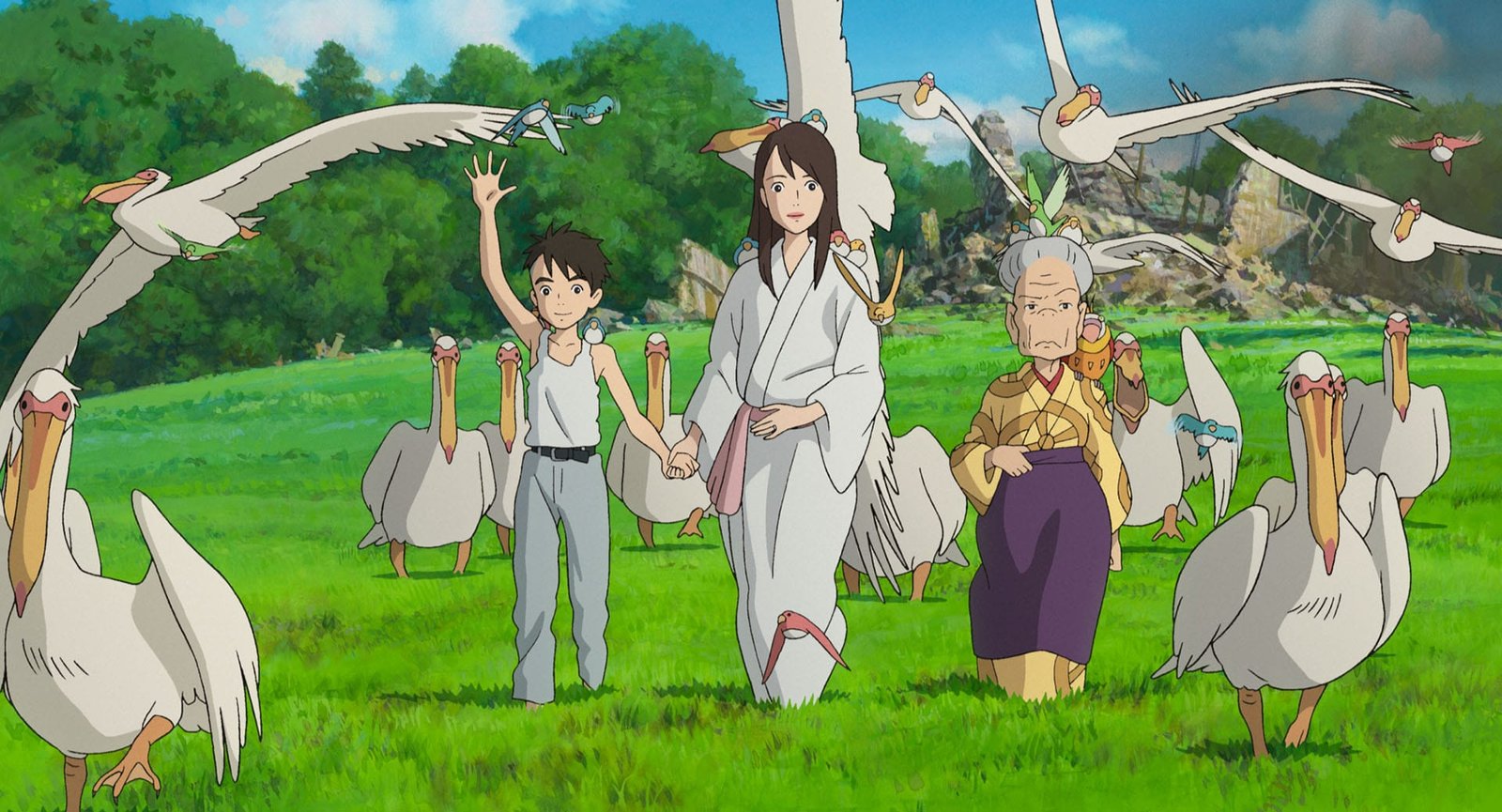
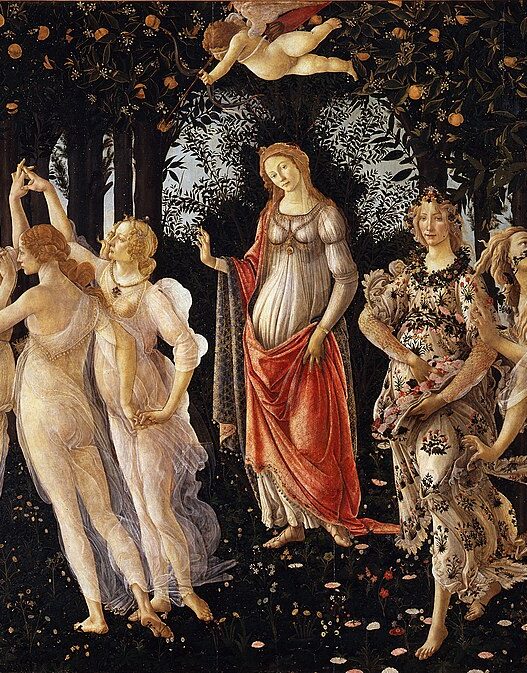
This might be a slightly different take, but it holds true across almost every Miyazaki film. Pause at any point and study the frame. Not the plot, not the dialogue. The composition. The colour palette. The negative space. The direction a character’s eyes are pointing when they think nobody is watching.
What you will find is a painting. Not a still from an animation, but a fully considered, deliberately constructed image where every element is load bearing. Miyazaki does not fill frames. He builds them the way a still-life painter arranges objects on a table, knowing that where something sits, what it sits beside, and what light falls across it will determine what the viewer feels before they understand why.
The still-life painters of the Vanitas tradition encoded entire philosophies into the arrangement of a bowl of fruit and a guttering candle. Miyazaki does the same across two hours of movement. The difference is that you can pause him. You can sit inside a single frame and read it the way you would read a painting in a gallery, slowly, without urgency, letting the details arrive in their own order.
Try it. Pause on the moment the heron first appears. Look at the colour temperature, the framing, the negative space around him. Then pause on the Warawara ascending. The warmth of the light, the softness of the edges, the deliberate vulnerability of the composition. These are not accidents. These are artistic decisions made with the full weight of a tradition that stretches back centuries.
What Miyazaki asks of us, in the end, is not admiration. It is attention. The same quality of attention that a great painting demands. The willingness to stop, to look again, and to trust that what you find on the second look will be different from what you found on the first.
Be the architect of each scene in your own life, like the Granduncle with his stones. Deliberate. Patient. Willing to start again. And even when the heron tricks you, even when the tower falls, let each failure build the bridge to your evolution. That is what Miyazaki built across 13 films and a lifetime of beautiful dreams.
That is what he left inside the bottle.